BLOG
Jul.2026
How to Start a Healthcare Academy in India: Complete Guide For 2026
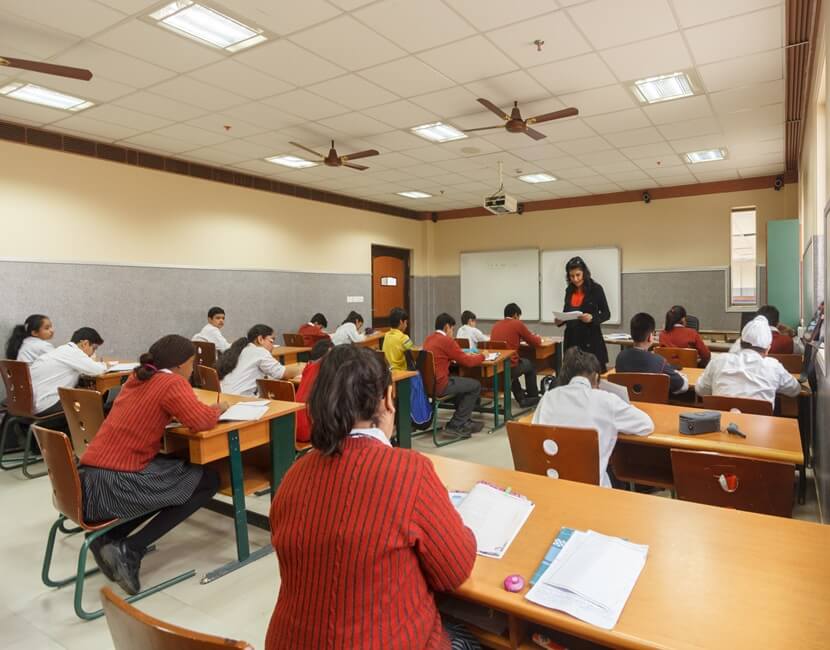
The healthcare industry in India is currently undergoing a quiet but major transformation involving larger hospitals and many more clinics. An ever-increasing need for educated support personnel exceeds the capacity of the current system to meet these demands. If you’ve ever wondered about how to start a healthcare academy, this is the guide for you. It takes you through the real steps, the real requirements, the real decisions you're going to have to make.
Who Can Run A Healthcare Academy?
You don’t need a medical degree or a clinical background to open a healthcare academy. Over the years, healthcare training institutions have been set up successfully across India by entrepreneurs, educators and investors. You need a real commitment to quality, a willingness to follow the right processes and a clear understanding of the market you are entering.
If you have a background in education management, business operations or even community development, you are coming to this space with more relevant experience than you may realise. Running an academy involves as much administration, outreach and financial planning as it does academics.
What Type Of Academy Can You Open?
Healthcare education is very wide. You could opt for paramedical sciences, allied health courses, operating theatre technology, radiology, medical lab technology or even basic nursing assistance programmes. What courses you teach will be determined by where you are located, who your students are, and the healthcare infrastructure around you.
Before making a decision on the format of a course, examine the existing offerings in your local area and pinpoint any voids. If you’re in a town with a number of hospitals but no dedicated lab technician training program, it’s telling you something. When your academy’s focus is aligned with a real local need, you have a stronger foundation from day one, and student enrollment is a much easier conversation.
Basic Infrastructure Your Institution Will Need
Most regulatory bodies ask for a minimum built-up area, functional classrooms, and basic lab setups relevant to the courses being offered. You do not need a massive campus to get started. A well-organised space with practical training facilities matters more than square footage alone.
Your labs need to reflect the courses you are running. If you are offering radiology or operation theatre programmes, the equipment in those rooms should mirror what students will actually encounter in a hospital setting. One of the fastest ways to lose credibility with students, parents and the regulatory agencies that will inspect your facility is to cut corners on lab infrastructure.
Staff And Faculty Requirements
You will need qualified faculty members for each subject area you plan to teach. Most affiliated courses require faculty with relevant academic degrees and, in some cases, clinical experience. In addition to teaching staff, you will need administrative and support staff to keep daily operations running smoothly.
It is better to start with a lean team that has the right credentials than to hire quickly and dilute the qualifications. A good mindset and a willingness to learn the industry will take you much further than a medical degree ever could.
Affiliations And Endorsements
If you run a healthcare education programme and you don’t give due recognition, it means your students will graduate with worthless certificates. Depending on the courses you offer, you may have to affiliate with state paramedical councils, health universities or other recognized bodies.
The approval process involves several rounds of documentation, site inspections and follow-ups with various authorities. It is rarely a quick process and delays are common if your paperwork is not in order. A clean checklist from the relevant body before you start can save you months of unnecessary back and forth.
Independent Vs. Franchised
Independent Institution
When you independently open a healthcare academy, it gives you complete authority to establish your own curriculum, brand, and operations, but it requires you to design everything from scratch. Everything such as regulatory approvals, hiring professors, communicating with potential students and securing the community’s trust, is your sole responsibility. For first-time entrepreneurs, that is an overwhelmingly difficult learning curve that could take several years to flatten out.
Franchised Institution
By operating under a franchise umbrella, you sacrifice some level of control in exchange for a significant advantage in that you now have a well-developed curriculum already in place, a recognizable name and complete operational support. This way, first-time operators will find it easier to gain the confidence of students and their parents. This franchise model of operation is provided by various companies like GD Goenka Group, which has over 100 healthcare academies throughout India.
Common Challenges To Expect
There are many common challenges when you start an academy. This includes demonstrating to parents and students that you have a good track record of placing graduates in jobs. You will want to develop industry connections prior to launching your academy.
- Regulatory obstacles that can delay your launch
- You will want to have a compliance checklist
- Talk often with the right approval departments
- Keep all your papers updated at every step of the process
This approach will save you time and minimize delays from unforeseen consequences.
Conclusion
The decision to start a healthcare academy in India is a big but not impossible undertaking. You can meet the required infrastructure needs, there is a great amount of demand for your services, and you can have well-defined criteria for meeting accreditation requirements if you conduct your research. The industry sector is growing exponentially in India, and the institutions that prepare the next generation of healthcare professionals today will be the leading institutions of the future.




Open a
GD Goenka Pre-School
Select A Brand
Open a GD Goenka Pre-School
Partner Inquiry Form

Open a GD Goenka Pre-School
Franchise Requirements
GD Goenka La Petite Montessori Preschool